
İctimai‑siyasi analiz: ekspert rəyləri və davam edən müzakirələr
The purpose of this piece is to consider how expert opinions and ongoing debates contribute to public‑political analysis, taking the provided ODIHR document as a reference point. Rather than attempting to restate specific findings, the text reflects on the typical roles that expert commentary and public discussion play when a formal report is made available. This approach aims to clarify how analysis is constructed and contested in civic and policy contexts.
Introduction: framing expert input
When a formal document such as the referenced ODIHR material is released, a wide range of actors engage with it. Experts — including analysts, practitioners and scholars — frequently assess the document’s methods, conclusions and implications. Their inputs shape how the report is understood by policy makers, media and civil society. Such engagement is an essential part of democratic scrutiny and public‑political discourse.
Expert commentary often attends both to the technical aspects of a report and to its broader societal implications. Technical scrutiny can include evaluation of methodology and evidence, while broader commentary considers how the document intersects with ongoing debates in the public sphere. Both modes of analysis help translate detailed material into actionable insights or further questions.
Main part: themes in expert reaction and public debate
First, experts commonly discuss methodology and evidence quality. In response to a formal report, analysts examine how data were collected, the scope of observation or review, and the transparency of the analytical process. Scrutiny of methodology supports clearer interpretation of what conclusions may be warranted and where uncertainty remains.
Second, experts and commentators place a report within the larger landscape of public debate. A single document can catalyze discussions about institutional practices, civic participation, media coverage or legal frameworks. These discussions are often ongoing and multifaceted, involving different stakeholders who bring varied perspectives and priorities to the conversation.
Third, dialogue generated by a report frequently focuses on implications and recommendations. Experts weigh potential policy responses and practical steps that actors might take in light of the analysis. Such debates can highlight divergent views about feasibility, proportionality and the likely effects of proposed measures. This deliberative process is part of how societies negotiate change and institutional reform.
Main part: the dynamics of public discourse
Public discourse around a report may include immediate reactions as well as longer‑term engagement. Initial commentary often highlights notable elements and raises questions that prompt further investigation. Over time, deeper analyses and follow‑up discussions can emerge, sometimes leading to supplementary research or public forums where findings are debated in greater detail.
Experts contribute to these dynamics by translating technical findings into language accessible to broader audiences. At the same time, civil society actors and media play complementary roles by amplifying certain perspectives, posing critical questions, and fostering pluralistic debate. The interplay between expert analysis and public conversation helps ensure that complex material is examined from multiple angles.
Another aspect of the discourse concerns the balance between critique and constructive engagement. Effective public‑political analysis tends to combine critical assessment with attention to practical remedies. Debates that remain constructive are more likely to support informed decision‑making and responsible follow‑up by relevant institutions.
Conclusion: value and limits of expert debates
Expert opinions and continuing debates are integral to making sense of formal analyses like the referenced ODIHR document. They illuminate methodological strengths and limitations, situate findings within broader social and political contexts, and explore implications for policy and practice. This process enhances transparency and democratic accountability.
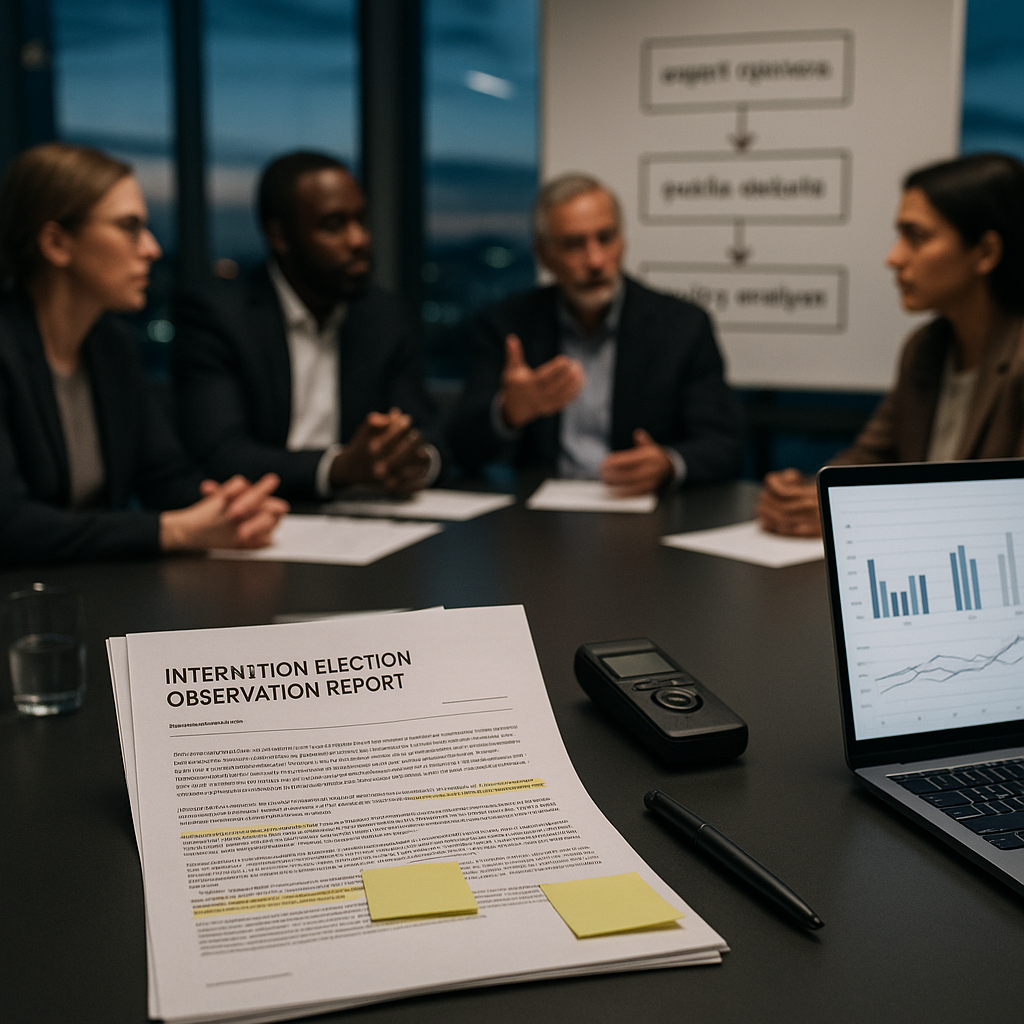
At the same time, public discourse has limits: interpretation is shaped by differing priorities and by the information available. Sustained, evidence‑based discussion is necessary for meaningful progress, and the combination of expert scrutiny and open debate supports that objective. Engaging thoughtfully with authoritative documents and the conversations they spark remains a central task for analysts, practitioners and citizens alike.